


5 July, 2025

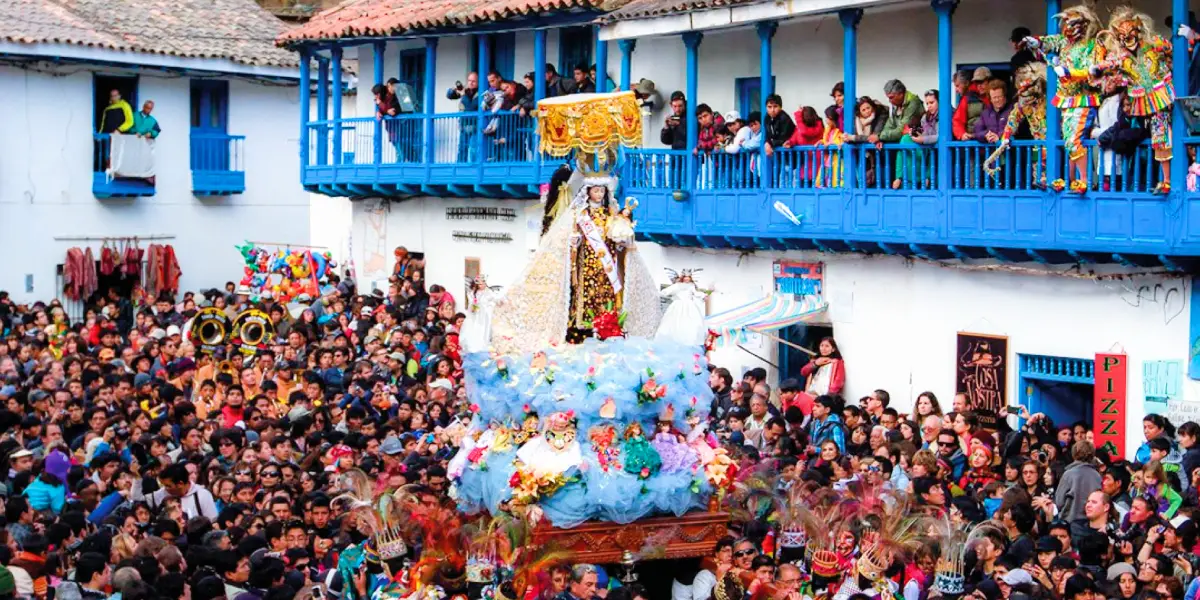
The Feast of the Virgen del Carmen in Paucartambo is one of the most iconic religious and cultural events in Peru. Every year, from July 15 to 18, this small town in the Cusco region becomes the epicenter of a celebration that blends Catholic fervor with deep-rooted Andean traditions. Thousands of people—locals, Peruvians from across the country, and international visitors—make their way to Paucartambo to be part of a vibrant festival felt in every street, every dance, and every act of devotion. Beyond its religious significance, this celebration is a living expression of southern Peru’s cultural identity.
The Virgen del Carmen, affectionately known as “Mamacha Carmen,” is considered the patron saint of mestizos. Her devotion, deeply rooted in the region, dates back to colonial times when Christianity spread throughout the Andes. However, her image was quickly embraced and reinterpreted by Indigenous communities, blending with Andean beliefs to create a syncretic devotion that endures to this day. In Paucartambo, she is more than a religious figure—she symbolizes protection, spiritual guidance, and communal unity.
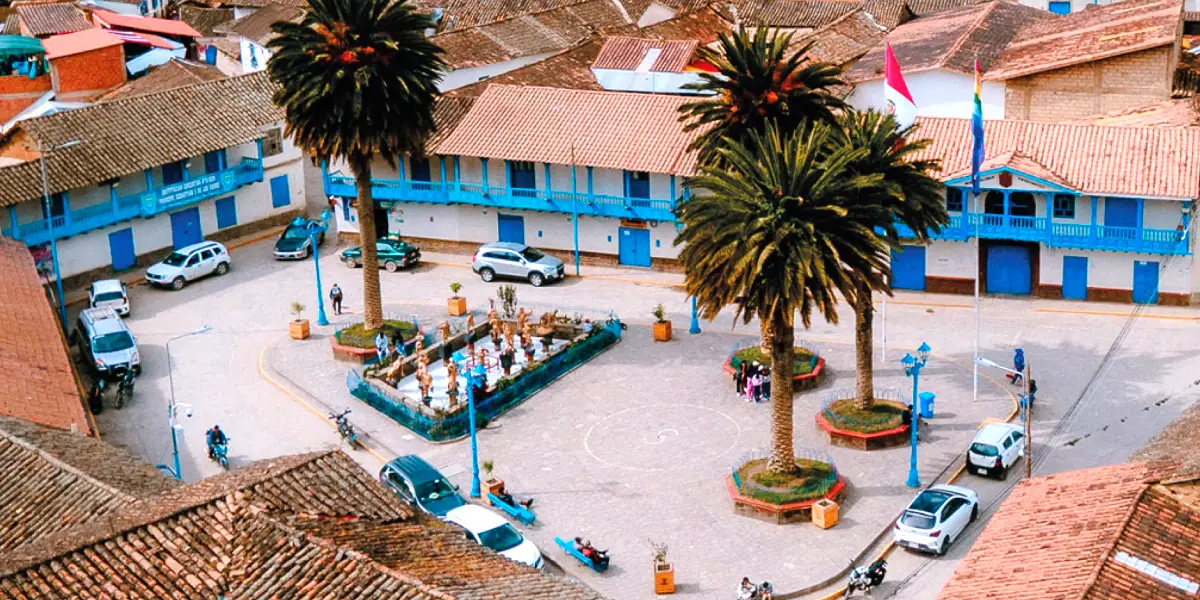
Paucartambo is located about 110 kilometers east of the city of Cusco. The journey takes around 2.5 hours by car and offers stunning views: deep valleys, rivers, lush green mountains, and clear skies. Although some parts of the road are winding, the route beautifully illustrates the transition between the highlands and the jungle—landscapes that echo the cultural richness of the celebration. Getting to Paucartambo during this time is not just a physical trip—it’s the start of a transformative experience.
This is not a one-day event. Over four vibrant days, the entire town is immersed in music, dances, processions, Masses, and communal gatherings.
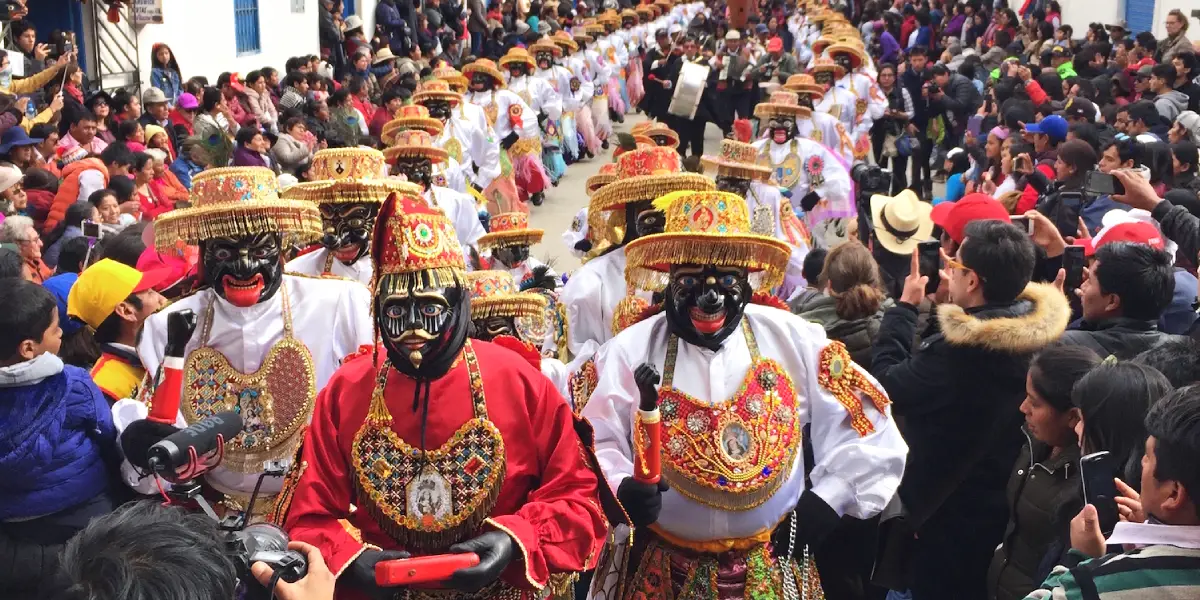
The dances of Paucartambo are far more than folkloric shows. Each one embodies stories and worldviews from the Andes: some satirize the colonizers, others honor pre-Hispanic spirituality, and many convey values of community, resistance, or faith. The costumes—handmade with intricate detail—are works of art in their own right. The music, played live with Andean instruments and brass bands, ranges from festive to solemn. For the dancers, performing is not just entertainment—it’s a spiritual offering, a commitment to their community and heritage.
If you’re planning to experience this one-of-a-kind celebration, here are some key tips:
Book your accommodation well in advance, as the town’s lodging is limited and demand is very high.
Prepare for the cold: Nights can be freezing, so bring thermal clothing, gloves, and a warm hat.
Carry cash, as many local vendors do not accept credit or debit cards.
Arrive a day or two early (on July 13 or 14) to acclimate and enjoy the pre-festival atmosphere.
Don’t miss the sunrise at Tres Cruces, a viewpoint a few kilometers from Paucartambo. If weather permits, you’ll witness a rare optical phenomenon where the sun appears to multiply over the Amazon horizon.
Attending the Feast of the Virgen del Carmen in Paucartambo is not just going to a festival—it’s diving into a world where faith, identity, and history are deeply intertwined. It’s an invitation to reflect on the power of collective memory, on how traditions preserve the essence of a people, and on the importance of cultural heritage.
If you’re looking for an experience that will reshape how you understand Peru, this is the place and time. Visiting Paucartambo in July is a return to the spiritual essence of the Andes. In the chants, incense, color, and dance, you can feel an ancestral force still speaking through time. Mamacha Carmen is not just revered—she is celebrated with an open heart. And perhaps that’s the deepest truth of this festival: a joyful celebration of life, rooted in the soul of tradition.

Puno
1 day
Discover the magic of the floating islands and experience a culture that endures through time
