


23 December, 2024

Santurantikuy is a Christmas artisan fair held in the days leading up to Christmas in Cusco’s Plaza de Armas, Peru. Its name comes from Quechua and means “sale of saints,” reflecting its origin as a market dedicated to the commercialization of religious images. With more than four centuries of history, Santurantikuy is now one of the most important cultural expressions of the Andean region and an event that combines tradition, spirituality, and art.
The fair has its roots in the 16th century, during the colonial era, when Franciscan friars promoted the sale of religious images to facilitate the evangelization of the Indigenous population. The first editions of Santurantikuy focused on the sale of Infant Jesus figures, saint images, and other elements needed for the celebration of Christmas in colonial homes. Over time, this practice merged with Andean traditions, creating a celebration that combines elements of both cultures.
At its beginnings, the fair was primarily a religious activity, but also an opportunity for Andean artisans to showcase their creativity and adapt Catholic symbols to their own worldview. This fusion gave rise to a unique style of folk art, where saints and the Niño Manuelito are represented with features and clothing characteristic of the Andean region.
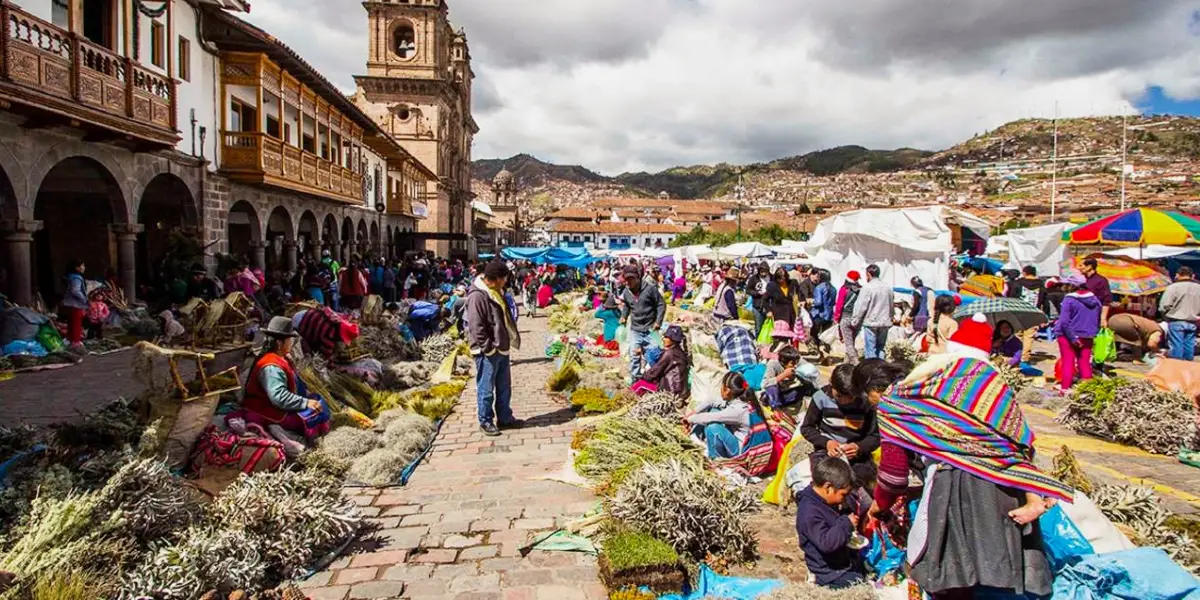
Days before Christmas (December 22–24), artisans from various regions of Peru gather in Cusco to participate in Santurantikuy. Many of them travel for days from remote areas, bringing with them not only their products but also the cultural legacy of their communities. The fair is mainly known for the sale of Niño Manuelito figures, an Andean representation of the Infant Jesus that has become the protagonist of the festivity.
The Niño Manuelito figures are crafted from various materials such as clay, wood, plaster, and even glass. These pieces are unique, as artisans decorate them with traditional Andean clothing, including chullos, ponchos, and sandals. Buyers often bring these figures to be blessed in religious ceremonies held at the fair or in nearby churches.
However, Santurantikuy is not limited to religious figures. Attendees can also find a wide variety of handicrafts, such as complete Nativity scenes, retablos, ceramics, textiles, jewelry, and Christmas decorations. Traditional and medicinal plants, like moss and aromatic herbs used to decorate Nativity scenes and homes, are also available.
Santurantikuy is not just a market but a space where deeply rooted traditions and rituals come to life. One of the most significant customs is the blessing of purchased religious figures, performed at Cusco Cathedral or at the fair itself. This act symbolizes the integration of Catholic faith with Andean beliefs, seeking divine protection and harmony in homes.
Another notable tradition is the presence of “Santureros,” artisans specializing in the creation of religious images. These figures are meticulously crafted throughout the year to be exhibited and sold on this special occasion. For many visitors, purchasing a piece from Santurantikuy is more than a transaction; it is a symbolic act connecting them to their cultural and spiritual identity.
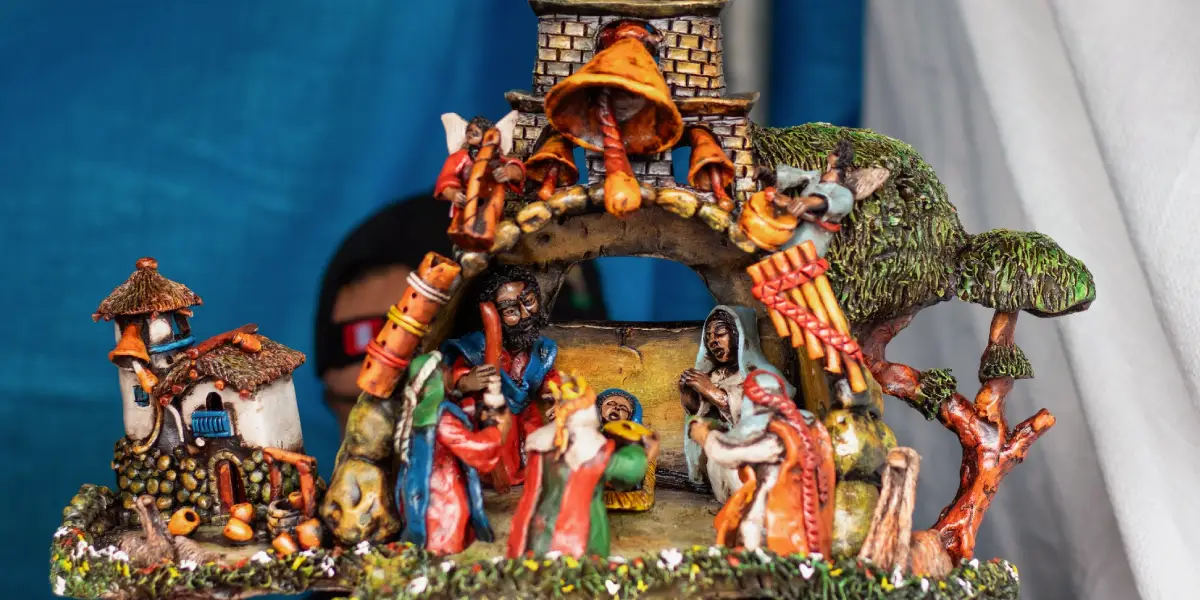
Santurantikuy has been declared Cultural Heritage of the Nation by Peru’s National Institute of Culture, highlighting its significance as one of the most authentic manifestations of Cusco’s culture. The fair not only promotes the preservation of traditional artisanal techniques but also strengthens the sense of identity and belonging among Cusco’s inhabitants and visitors.
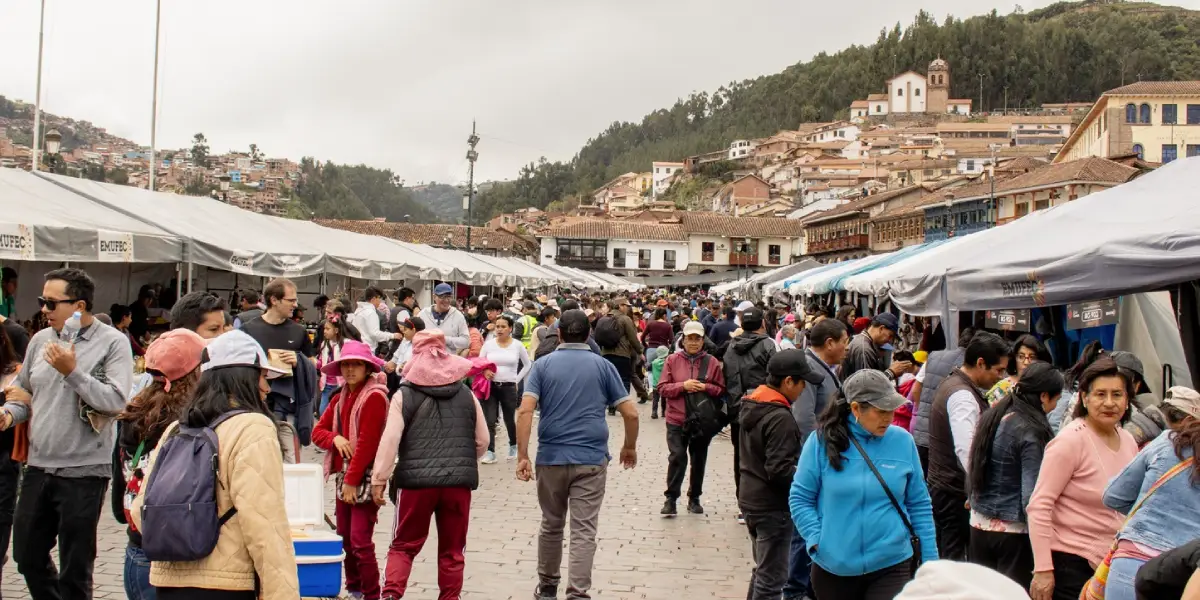
For tourists, Santurantikuy is a unique opportunity to experience the magic of an Andean Christmas. The fair attracts thousands of national and international visitors, who are amazed by the diversity of products, the vibrant atmosphere, and the warmth of the artisans. Additionally, the event boosts the local economy, generating significant income for families who rely on the sale of their artisanal products.
For those wishing to attend Santurantikuy, it is recommended to:
Santurantikuy is more than a Christmas fair; it is a celebration that encapsulates the cultural identity of Cusco, reflecting the harmonious coexistence of Andean and Catholic traditions. Participating in this festivity offers a unique experience to understand and appreciate the richness of Peruvian cultural heritage.

Cusco
Half day
Explore Inca agricultural innovation and a unique salt landscape in the world
